
Choosing the right air conditioning service in Crawley can be a daunting task. With so many options available, it’s crucial to make an informed decision.
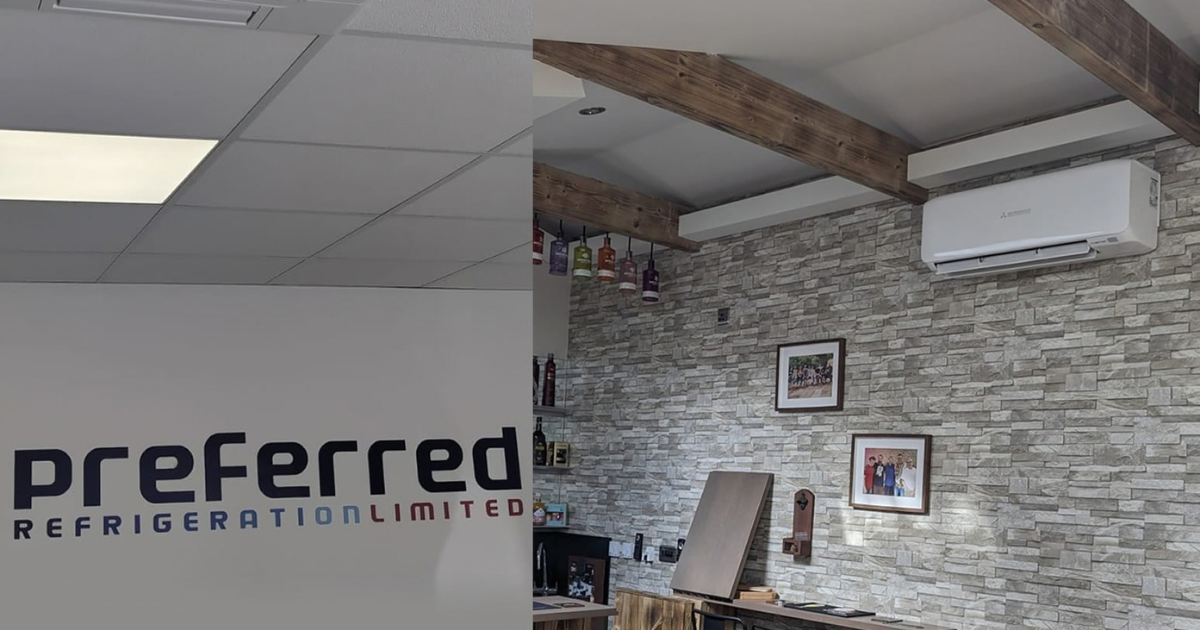
Air conditioning is essential for comfort in both homes and businesses. It ensures a pleasant environment during hot summer months.
Demand for reliable air conditioning services keeps growing as more homes and businesses look for year-round comfort.
Whether you need installation, maintenance, or repair, selecting the right provider is key. A good service ensures your system runs efficiently and lasts longer.
Different properties have different air conditioning needs. Residential and commercial spaces require tailored solutions. Understanding these differences is vital.
When choosing a service, consider factors like experience and qualifications. Customer reviews can also provide valuable insights.
There are various types of air conditioning systems available. These include split systems, ducted systems, and portable units. Each has its own benefits and drawbacks.
Regular maintenance and servicing is important to prevent breakdowns and improve efficiency. It can save you money in the long run.
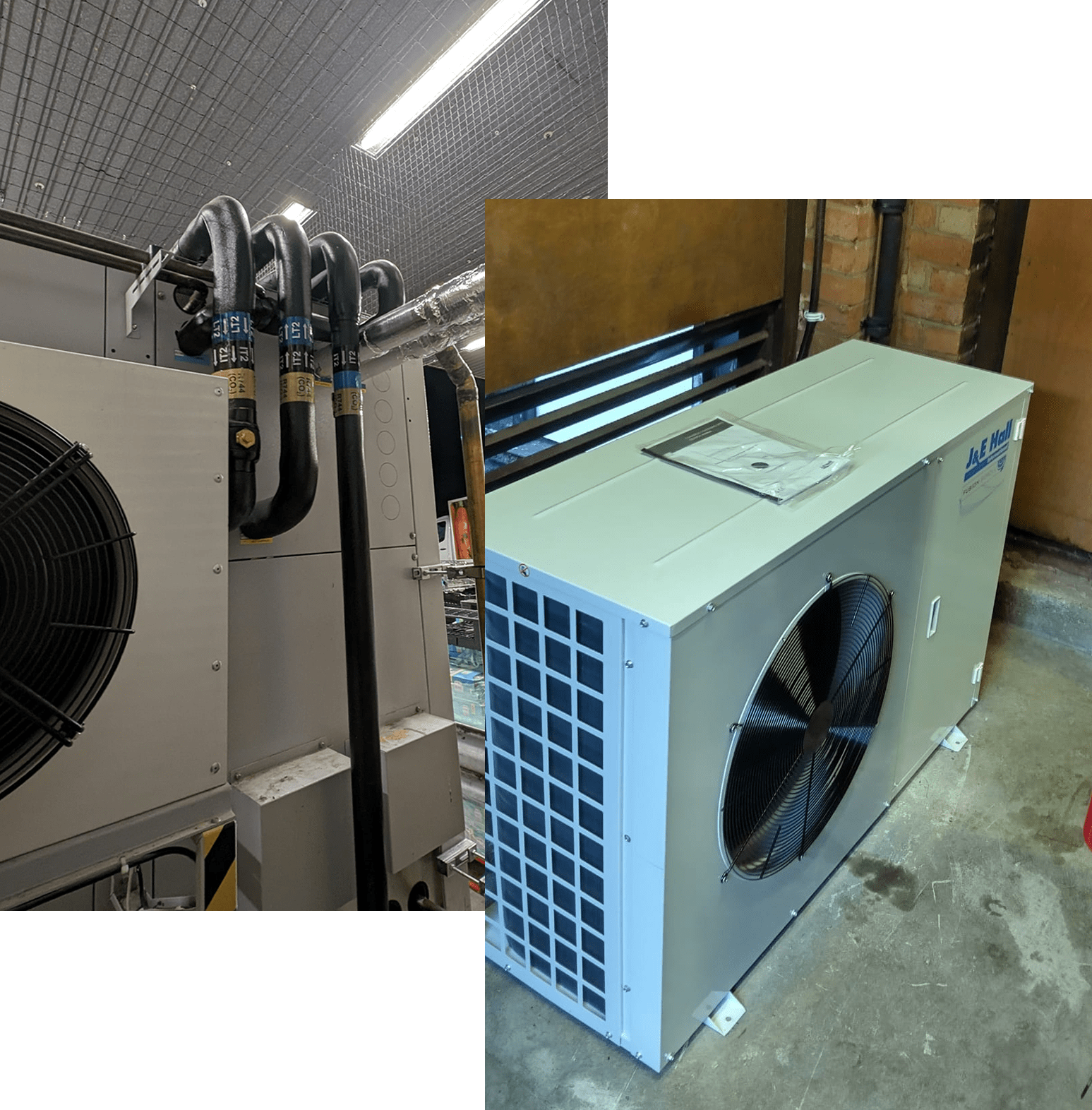
Local presence is another important factor. A provider based near you can offer quicker response times.
Comparing quotes from different companies can help you find the best deal. Look for transparent pricing with no hidden fees.
Ultimately, the right air conditioning service will enhance comfort and satisfaction. It will also contribute to energy efficiency and cost savings.
Why Air Conditioning Matters
Air conditioning plays a crucial role in everyday comfort. UK summers are getting warmer, and many homes and workplaces now need effective cooling. Proper air conditioning ensures comfort, especially during those sweltering heatwaves.
In addition to providing relief from the heat, air conditioning has significant health benefits. It can also help reduce indoor humidity, which may limit the risk of mould in some properties.
For businesses, air conditioning is a pivotal factor in maintaining productivity. A comfortable work environment keeps employees focused and motivated. Moreover, it ensures customers and clients feel at ease when visiting commercial premises. Good climate control can significantly impact business success by enhancing visitor satisfaction.
Residential properties also benefit immensely from air conditioning. It allows homeowners to create a pleasant living environment, improving overall well-being.
Here are some key points about air conditioning:
- Can help improve indoor comfort and air circulation.
- Increases comfort and productivity in work and home environments.
- Helps maintain optimal humidity levels, reducing mould risks.
- Helps residents stay comfortable through the year.
- Helps keep indoor temperatures more manageable during heatwaves.
As summers get warmer, the demand for efficient air conditioning solutions rises. The right air conditioning system not only supports comfort but also plays a role in energy conservation. By choosing modern, energy-efficient systems, residents and businesses can lower their utility bills. This contributes to environmental sustainability, aligning with broader green initiatives.
In summary, air conditioning is an essential aspect of modern living. It ensures a healthier, more comfortable environment all year round. Investing in a reliable air conditioning solution is a decision that pays off with numerous benefits, both immediate and long-term.
Overview of Air Conditioning Services
Various air conditioning services cater to both residential and commercial needs. These services include installation, maintenance, repair, and upgrade. Each service plays a vital role in ensuring optimal system performance and longevity.
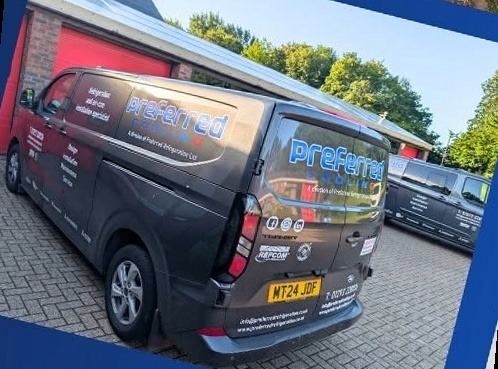
Installation is the first step when introducing an air conditioning system to a property. Professional installers evaluate the space to recommend the most suitable system. Whether it’s a split unit, ducted system, or a portable option, expert advice is invaluable. Proper installation is crucial for ensuring efficiency and reducing future operational issues.
Maintenance services are equally important in keeping systems running smoothly. Regular check-ups help in identifying potential problems before they escalate. Maintenance can include cleaning filters, checking refrigerant levels, and examining electrical connections. This proactive approach not only extends the life of the units but also improves energy efficiency.
Repair services address any unexpected issues that may arise with air conditioning systems. Quick and efficient repairs prevent extended downtime and potential discomfort. Skilled technicians can diagnose and rectify problems related to compressors, fans, and thermostats among others. Having access to reliable repair services ensures peace of mind for property owners.
Here’s a rundown of common air conditioning services:
- Installation: Designing and setting up new systems.
- Maintenance: Routine checks and component cleaning.
- Repair: Fixing malfunctioning parts and system failures.
- Upgrade: Modernising systems with advanced features.
Upgrading is another essential service that focuses on enhancing existing systems. Modern air conditioning technologies offer improved energy efficiency and smart capabilities. Upgrades can include integrating smart thermostats or installing more energy-efficient units. This service is especially beneficial for businesses looking to reduce costs and residential users aiming for convenience.
By understanding the array of services available, customers can make informed decisions tailored to their specific needs. This ensures that their air conditioning systems perform optimally, providing comfort and efficiency all year round.
Factors to Consider When Choosing a Service
When selecting an air conditioning installer, there are key factors you should consider. These elements ensure you receive quality service and long-lasting system performance. Begin with the service provider’s experience and expertise.
Certifications and qualifications are crucial. Verify that the company employs certified technicians with adequate training. Relevant qualifications help show that a technician has been trained to the required standard.
Customer reviews play a pivotal role in the selection process. Use them to gauge the reliability and quality of service. Consider these essential factors:
- Experience: Years in business and specialised knowledge.
- Certifications: Proper credentials and training verification.
- Reviews: Positive feedback and reputation in the community.
Finally, evaluate the company’s customer service and support. Efficient communication and prompt response times are signs of professionalism. A service provider that maintains open lines of communication typically ensures a better overall experience. This comprehensive approach helps in choosing a trustworthy air conditioning installer.
Types of Air Conditioning Systems
Choosing the right air conditioning system is crucial to meet specific cooling and heating needs. Various systems offer distinct advantages, suitable for different environments. Understanding these systems helps in making an informed decision.
Split systems are popular for residential use. They consist of two units: an indoor and an outdoor unit connected by refrigerant piping. This design is efficient for cooling individual rooms or open spaces. Split systems are generally quieter and provide efficient temperature control.
Ducted air conditioning systems suit commercial and larger residential properties. These systems use a network of ducts to distribute conditioned air throughout a building. They offer the benefit of centralised control, enabling uniform temperature management. Ducted systems are ideal for cooling multiple rooms efficiently.
Portable air conditioners offer flexibility, making them suitable for temporary cooling solutions.
These units are easy to move and set up without permanent installation. However, they might not provide the same efficiency as fixed installations. Portable units are useful in situations where short-term cooling is necessary.
Consider the following types of systems when choosing:
- Split Systems: Ideal for targeted and quiet cooling.
- Ducted Systems: Best for comprehensive and centralised cooling.
- Portable Units: Flexible and easy setup for temporary needs.
Understanding these systems aids in selecting the right one for your property. Each system has unique strengths and is suited to particular applications. Your choice depends on factors like the size of the space, cooling preferences, and budget constraints.
Residential Air Conditioning
Residential air conditioning systems cater to diverse home environments. Homeowners have distinct needs based on their property size, layout, and budget. Selecting the right system involves considering these personal variables.
Energy efficiency is a key consideration. Modern residential systems often come with high Energy Efficiency Ratings (EER). These ratings indicate lower power consumption and reduced utility costs. Opting for energy-efficient systems supports cost savings and environmental responsibility.
Noise levels are also important. Many residential units are designed to operate quietly to avoid disturbance. This feature is vital, especially in bedrooms and living areas. Quiet operation ensures comfort without sacrificing cooling performance.
For residential spaces, consider the following system features:
- Energy Efficiency: Look for high EER ratings.
- Quiet Operation: Essential for tranquil home environments.
- Customisable Settings: Allows personalised temperature control.
Ultimately, prioritising these features enhances your comfort at home. Proper evaluation and selection lead to a system that meets residential comfort needs efficiently and quietly.
Commercial Air Conditioning
Commercial air conditioning demands robust and scalable solutions. These systems handle larger spaces and more complex cooling needs. Business environments benefit from tailored systems that optimise comfort for employees and customers alike.
Capacity and scale are critical when selecting commercial air conditioning. Systems must be able to handle varying loads and maintain consistent temperatures across wide areas. Scalable solutions are necessary to adapt to business growth and changes in spatial requirements. If you suspect your system is underperforming, review the top signs your commercial air conditioning system needs an upgrade.
Integration with existing infrastructure is another pivotal aspect. Commercial systems should seamlessly integrate with current HVAC setups. This integration ensures minimal disruption and efficient operation throughout business premises. Moreover, energy management becomes simpler with centralised systems.
Consider these features for commercial systems:
- Scalability: Adaptability to growing business needs.
- Integration: Compatibility with existing building infrastructure.
- Advanced Control Options: Efficient management of large spaces.
Evaluating these factors ensures that commercial air conditioning systems serve both functional and strategic business goals. The right system maintains a comfortable indoor environment while optimising energy use and facilitating business operations.
Installation vs. Maintenance
When considering air conditioning services, understanding the balance between installation and maintenance is essential. Installation sets the foundation, while maintenance ensures longevity and efficiency.
An expertly installed system maximises performance from day one. It involves precise fitting and calibration, ensuring optimal operation and energy efficiency. Proper installation minimises initial problems and sets a baseline for system reliability.
Maintenance, however, is an ongoing necessity to keep systems running smoothly. Regular maintenance routines identify potential issues early, preventing costly repairs. They also enhance the lifespan and efficiency of the system, reducing overall operating costs.
Key aspects to consider:
- Installation: Proper setup and initial performance optimisation.
- Maintenance: Regular check-ups to prevent and fix issues.
Choosing a service provider that excels in both installation and maintenance is crucial. This dual focus ensures that your air conditioning systems deliver consistent comfort and efficiency throughout their lifecycle.
Air Conditioning Installation
Air conditioning installation is a precise and critical process. It involves selecting the right system and ensuring it is set up correctly in your space. This process influences efficiency and long-term operation.
A professional installer assesses your property’s cooling needs before installation. This assessment determines the ideal system size and type. Incorrect sizing can lead to inefficiencies, either underperforming or consuming excess energy. Expert advice ensures that the system fits the environmental and structural specifics of your premises.
The installation process also involves configuring system controls and calibrating settings. These steps ensure that the system functions optimally from the start. Precise calibration promotes comfort and efficient energy use.
Consider these factors during installation:
- Proper Sizing: Essential for efficiency and functionality.
- Experienced Installers: Ensure accurate setup and calibration.
- System Configuration: Optimises control and energy use.
Selecting professional installation services guarantees that systems operate correctly and efficiently from day one. The benefits include reduced energy costs and consistent indoor comfort.
Air Conditioning Maintenance
Air conditioning maintenance is vital for system longevity and operational efficiency. Regular upkeep prevents breakdowns and enhances performance, safeguarding your investment.
Scheduled maintenance involves inspecting and cleaning critical components. Technicians check refrigerant levels, clean filters, and examine electrical connections. These actions prevent common issues such as airflow blockage or motor failure. Maintenance minimises the risk of unexpected breakdowns and prolongs system life.
Maintenance services also include assessing system performance. Technicians measure output and efficiency, identifying areas for improvement. This proactive approach ensures peak performance and energy savings over time.
Key maintenance practices include:
- Regular Inspection: Identifies potential problems early.
- Component Cleaning: Reduces strain and enhances efficiency.
- Performance Assessment: Ensures optimal system operation.
Regular maintenance is a cornerstone of effective air conditioning management. Reliable maintenance services keep systems working efficiently and reduce the likelihood of costly repairs.
Evaluating Air Conditioning Companies
Choosing the right air conditioning company requires careful evaluation. It’s essential to ensure you select a service provider that meets your specific needs. This involves considering a variety of factors.
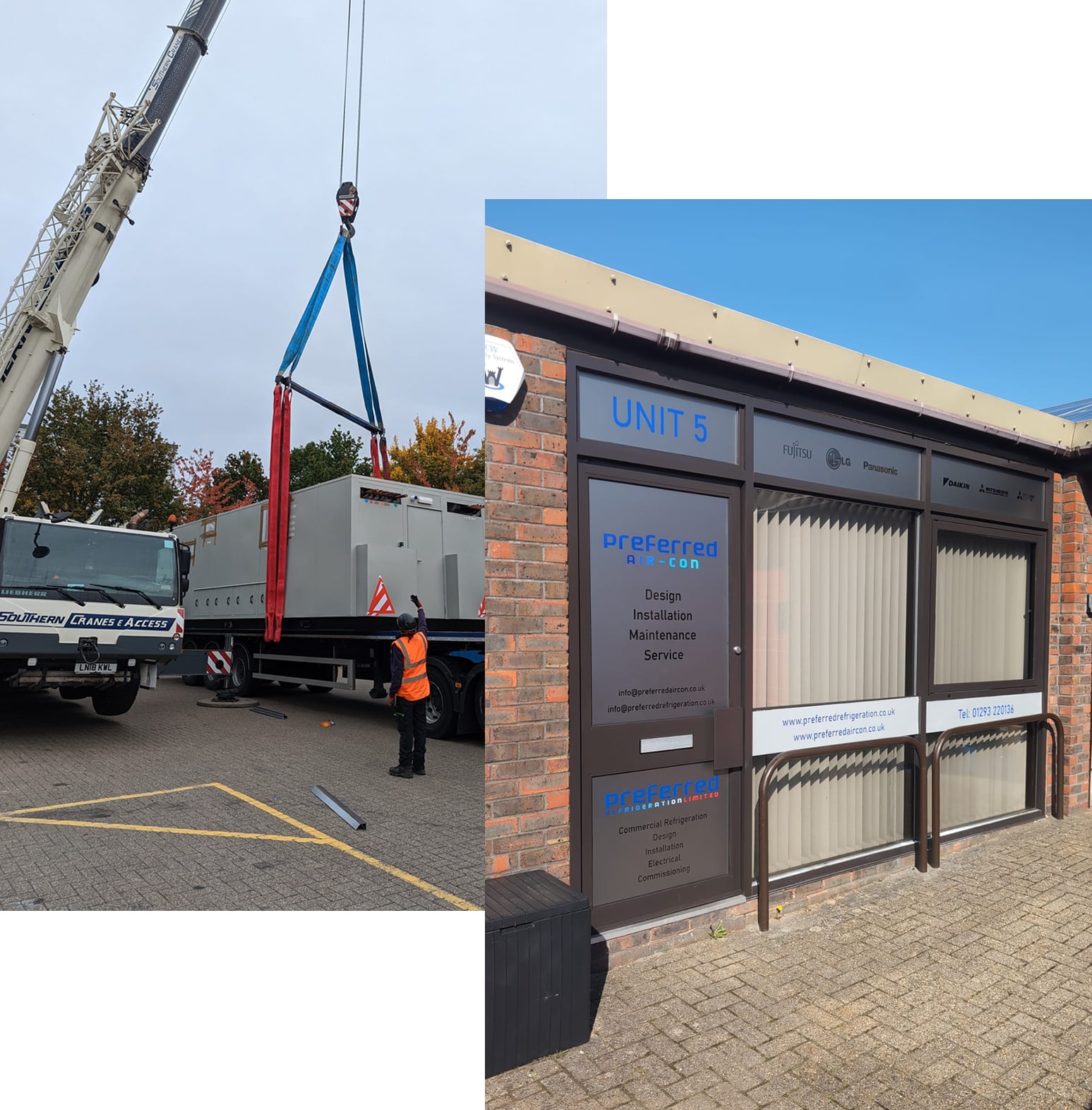
Begin by assessing the company’s experience in the industry. Long-established firms often have a track record of reliability and expertise. Check for essential credentials, ensuring that technicians have proper certifications and training. This guarantees adherence to industry standards.
Additionally, evaluate the range of services offered. Some companies may only focus on installation, while others provide comprehensive maintenance and repair services. Choose a company that offers a full suite of solutions to cover all your air conditioning needs. Consider these evaluation factors:
- Experience: Established presence in the market.
- Credentials: Proper certification and staff training.
- Service Range: Comprehensive installation and maintenance offerings.
By focusing on these aspects, you can narrow down the list of potential companies. This careful evaluation process will help you find a provider that delivers quality service and support.
Key Credentials and Certifications
Having the right credentials is crucial when selecting an air conditioning company. Certifications assure that the service provider meets industry standards and provides quality service. Key certifications indicate the professionalism and credibility of a service provider.
Ensure the company employs technicians certified by recognised bodies. Ask for evidence of relevant qualifications. Anyone handling refrigerants in the UK needs F-gas certification. These endorsements demonstrate the technicians’ knowledge and expertise in handling various systems.
Licensing is another important factor. Ask whether the engineers hold F-gas certification, which is required for anyone handling refrigerants in the UK.
Training and regular updates on industry advancements are essential. Technicians should engage in ongoing professional development. This keeps them informed about the latest technologies and best practices. Well-trained staff provide better service, install systems correctly, and can address problems efficiently.
Consider the following credentials:
- Technician Certifications: From recognised HVAC bodies.
- Valid Licensing: To operate within local regulations.
- Continuous Training: Keeps staff updated with industry advancements.
Examining a company’s credentials provides confidence in their ability to deliver superior service. It ensures that you select a knowledgeable and capable provider.
Customer Reviews and Testimonials
Customer reviews and testimonials serve as valuable insights into a company’s reputation. They provide first-hand accounts of client experiences and satisfaction levels. When evaluating air conditioning companies, these resources offer a real-world perspective.
Online reviews on platforms like Google and Yelp can reveal recurring patterns. Look for consistent praise or complaints about aspects like punctuality, service quality, and professionalism. A high volume of positive reviews usually indicates reliable service and customer satisfaction.
Testimonials often highlight specific experiences. They may cover unique challenges the company addressed or exceptional customer service instances. Pay attention to these details; they can differentiate one service provider from another.
However, be mindful of the context in which reviews were written. A few negative reviews shouldn’t put you off if most feedback is positive. Consider the overall rating and recent experiences to gauge current service quality.
Look for these elements in reviews:
- Service Quality: Recurring positive comments.
- Customer Satisfaction: Praise for responsiveness and problem resolution.
- Contextual Feedback: Understand the context of complaints or criticism.
Using reviews and testimonials effectively helps you choose a company that aligns with your expectations and needs.
Comparison of Costs and Services
Comparing costs and services among air conditioning companies is a vital step in making a selection.
Price should not be the only determining factor; understanding the scope of service is equally important.
Request detailed quotations from multiple companies. Transparent pricing allows you to compare what each service includes, such as labour, materials, and aftercare support. This clarity prevents unexpected costs further down the line and aids in fair comparison.
Examine the range of services offered. Some companies might provide additional benefits like extended warranties or emergency repair services. These added values can justify higher prices through long-term savings and peace of mind.
It’s important to understand the terms of service agreements. Read the fine print for maintenance plans and warranties. Length and coverage details vary, and knowing these can affect your decision. A comprehensive service agreement often indicates a company’s confidence in its work.
When comparing costs and services, consider:
- Detailed Quotations: Transparent breakdown of pricing.
- Service Scope: Additional services and benefits.
- Agreement Terms: Clear understanding of maintenance and warranty offerings.
Assessing both price and service helps in choosing a company that offers not just affordability but also superior value and reliability.
Conclusion
Selecting the right air conditioning installer is a vital decision. By understanding your specific needs and the offerings available, you can secure a service provider that delivers quality and reliability. Consider the variety of services from installation to maintenance and choose a company that aligns with your priorities. If you’d like to discuss your requirements, get in touch.
The advantage of a well-functioning air conditioning system goes beyond comfort. It impacts energy efficiency and operational costs as well. By partnering with an expert provider, you ensure your system operates optimally, contributing positively to your home or business environment.
Recap of Essential Tips
When choosing an air conditioning installer, remember these key points:
- Research comprehensive service providers.
- Prioritise energy-efficient and sustainable options.
- Check customer reviews and certifications.
- Compare costs and service offerings for best value.
- Ensure providers offer tailored solutions to meet specific needs.
Encouragement to Research and Choose Wisely
Embarking on the process of selecting an air conditioning service may seem daunting. However, with diligent research and informed decision-making, you can secure a reliable provider. The right choice improves comfort, efficiency, and satisfaction. Don’t rush-take the time to assess your options thoroughly and invest in a solution that suits both your present and future needs.